Jakub Kaczyński

Jakub Kaczyński

Industrial Portfolio Director

Transition Technologies PSC S.A.

Most factories don’t have a technology problem. They have a data problem dressed up as a technology problem – and a market full of vendors happy to sell them the wrong fix.

I’m Jakub Kaczyński, Industrial Portfolio Director in the Digital Manufacturing practice at TT PSC, a global industrial solutions integrator. With 15 years in the field and a technical background, I’ve spent enough time close to the machines, the historians and the integration layer to know where Industry 4.0 projects actually break – usually not where the slide deck promised.

What I’ve done

50+ delivered projects, most inside larger digital transformation programs where the stakes and the politics are real, spanning the US, Europe and Asia – primarily in Europe. I stay deliberately vendor-agnostic: I’ve deployed the major industrial platforms (ThingWorx, Kepware, Ignition and Litmus) across the stack, from OT connectivity and SCADA through MES and IIoT, and I pick the one that fits the plant, not the one with the best reseller margin. My sharpest work sits in the data layer itself: building a unified namespace so OT and IT finally speak the same language, then turning that clean, contextualized data into the analytics and decisions people actually act on.

One example: in a plant producing over a thousand tonnes of sweets a week, I led the team behind a recipe management solution built on a unified namespace – owning the high-level architecture and standardizing formulas so the same product runs the same way on every line. The approach is now being discussed as a template for the company’s other plants.

In the last few years my work has concentrated in food & beverage: high-mix lines, tight margins, OEE that has to move this quarter, not next roadmap.

How I work

End to end, in that order: define the business case first (if the numbers don’t add up, we stop), then choose the technology, then design the architecture, then support the rollout. I’d rather kill a project at the business-case stage than watch it die expensively six months after go-live. Pragmatic, realistic, and allergic to vendor hype.

Speaking

Turning shop-floor data into decisions is a recurring theme in my talks. Recent ones: „From Data to Decisions” at Smart Manufacturing Week 2026, „From Machine to Decision: Digital Transformation Step by Step” at IndustryX0 2025, and „How Smart Maintenance Drives Strategic Success” at Robotics Warsaw 2025.

Got a specific data or connectivity problem and want a straight answer? Reach out.

My latest articles

Lesson Learned Explained: Implementing a Continuous Innovation Program in the Defense Sector

Lesson Learned Explained: Implementing a Continuous Innovation Program in the Defense Sector

In the fast-paced aviation and defense industry, one of our clients faced a key challenge: how to accelerate the adoption of modern technologies and maintain competitiveness. The solution? Implementing a Continuous Innovation Program as the foundation of a new business model. A crucial aspect of this program was the continuous testing of state-of-the-art technologies to bring increasingly innovative products to market.

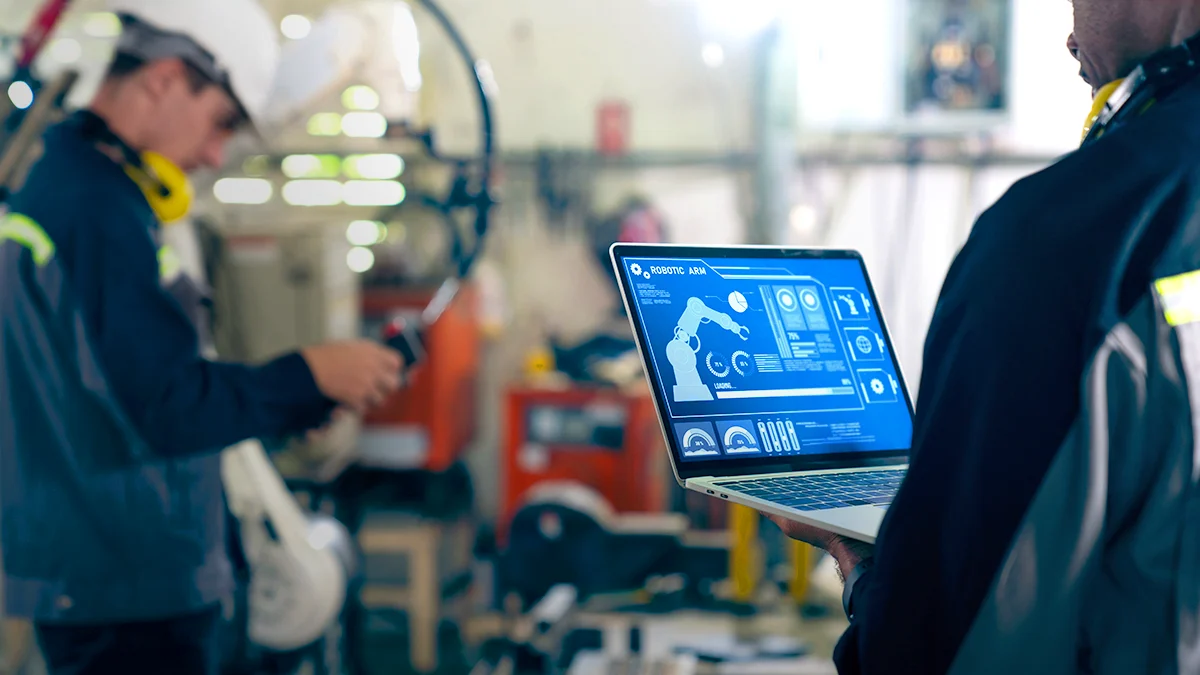
Lesson Learned Explained: Advanced Digital Manufacturing, AR/VR, and HoloLens in the Pharmaceutical Industry

Lesson Learned Explained: Advanced Digital Manufacturing, AR/VR, and HoloLens in the Pharmaceutical Industry

A pharmaceutical company aimed to enhance its innovation by actively testing modern technologies. A key challenge was skillfully and effectively integrating technological innovations into the production area so that data could be collected and analyzed in real-time. The company wanted to show that it is in the „close peloton” of digitalization of production, thereby increasing its market competitiveness.

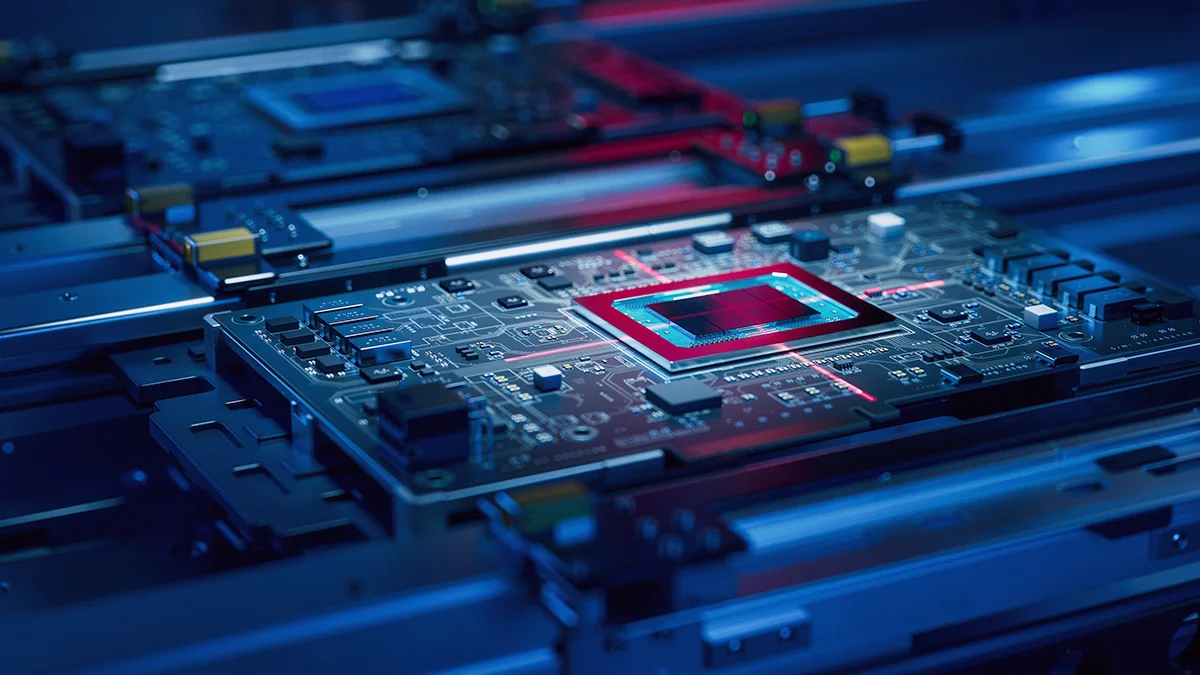
Lesson Learned Explained: Systems Integration and Data Modeling for Improved Semiconductor Manufacturing

Lesson Learned Explained: Systems Integration and Data Modeling for Improved Semiconductor Manufacturing

A company in the electronics industry specializing in semiconductor manufacturing set a major goal to make improvements that positively affect the quality of final products. A key element was to monitor and identify correlations that would predict the satisfactory quality of products coming off the production line. This was done using data from machines and quality control stations, which was then subjected to in-depth analysis. This enabled the company to better understand which factors affect the quality of their products.

Lesson Learned Explained: Data visualization in components manufacturing for automatics

Lesson Learned Explained: Data visualization in components manufacturing for automatics

A global company in the electrical accessories manufacturing industry used in automation faced the challenge of improving key performance indicators (KPIs), particularly increasing the availability and efficiency of production cells. Each workstation involved multiple stages of assembly and production across various positions and locations, requiring a coordinated approach to managing work, materials, and proper planning.

Lesson Learned Explained: Improving KPIs in the FMCG Industry through automation and data analysis on semi-automated production lines

Lesson Learned Explained: Improving KPIs in the FMCG Industry through automation and data analysis on semi-automated production lines

Introduction In the highly competitive food and beverage industry, achieving optimal Key Performance Indicators (KPIs) such as availability, performance, and quality is essential for maximizing operational efficiency and profitability. A client operating semi-automated production lines was experiencing persistent underperformance in these KPIs. To address this issue, the company required a robust and precise data-driven approach […]