
Building Future-Ready Organizations: How R&D, Partnerships and Advanced Technologies Drive Competitive Advantage
Building Future-Ready Organizations: How R&D, Partnerships and Advanced Technologies Drive Competitive Advantage
Building Future-Ready Organizations: How R&D, Partnerships and Advanced Technologies Drive Competitive Advantage

TPG Capital has acquired PTC’s entire IIoT portfolio including ThingWorx and Kepware. Raising understandable questions for manufacturers relying on these platforms. Here’s a quick, clear explanation of what happened and what this change truly means for your operations
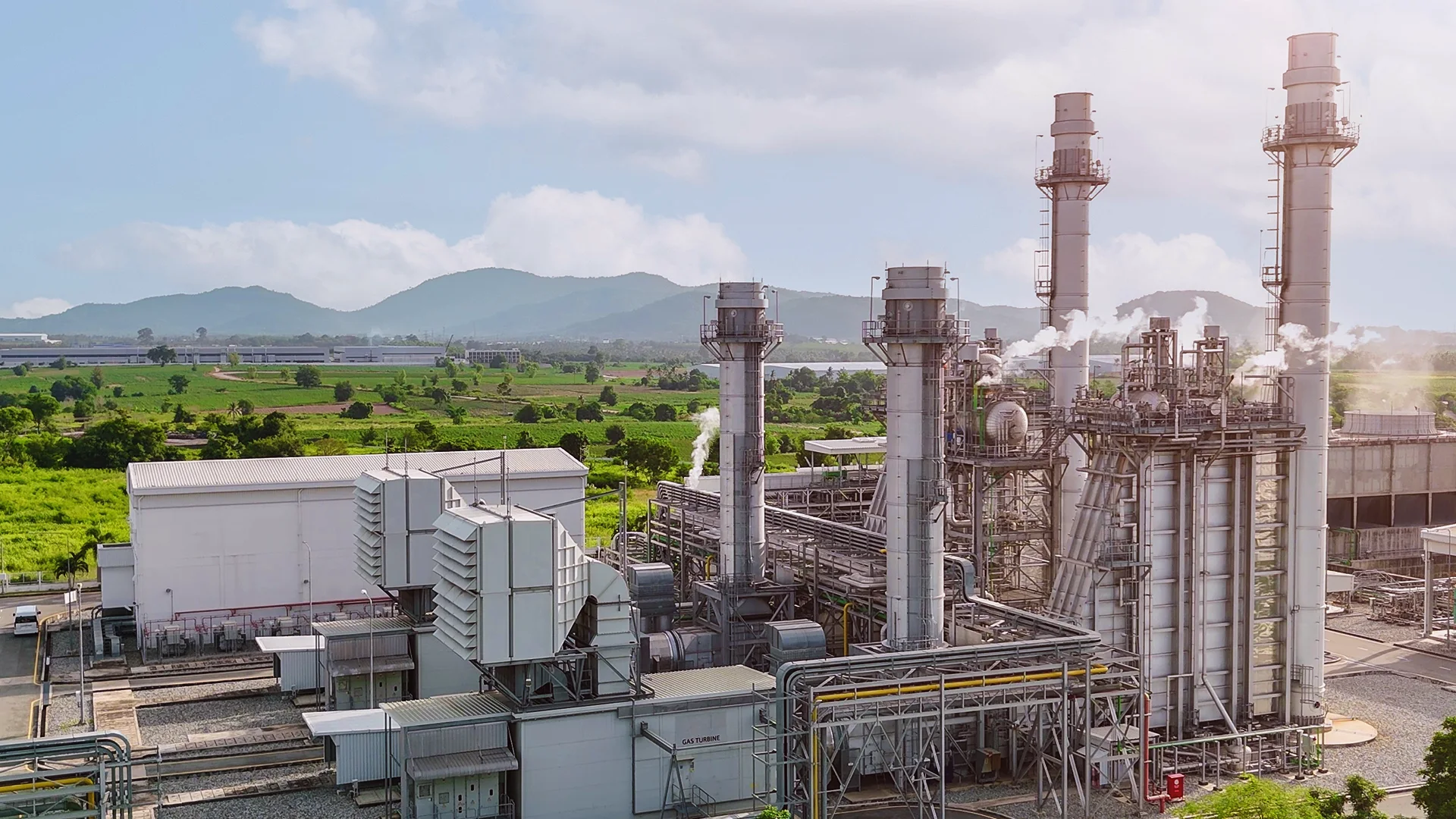
High energy costs, complex tariffs and tighter regulations are reshaping UK manufacturing. This guide explains how Energy Management Systems help manufacturers reduce energy costs, manage compliance and improve long-term energy performance.

Energy costs are no longer a fixed overhead in manufacturing. This guide explains what an Energy Management System is, how it works in a manufacturing environment, and why real-time energy data is becoming critical for cost control, operational efficiency, and compliance.

Unified Namespace with MQTT provides a scalable, event-driven foundation for industrial OT/IT data integration.
This article explains proven MQTT patterns, topic design, state management, and common pitfalls when building a production-ready UNS.

What is Unified Name Spac and why is it quickly becoming the “central nervous system” of modern manufacturing?
If your IT and OT worlds are still tied together with brittle point-to-point integrations, siloed data, and reports that are always a step behind, it’s time for a different approach. In this practical guide, we explain What is Unified Name Space, how it differs from the Purdue model, and how to design a scalable, real-time data layer using a consistent hierarchy, naming conventions, and governance. You’ll also learn the core implementation steps with MQTT/Sparkplug B or OPC UA—so every system can publish and subscribe to the same contextual, live source of truth.

Industrial data is growing faster than most manufacturers can process — yet much of its potential remains locked inside disconnected systems, legacy integrations, and outdated architectures. As a result, critical insights arrive too late, operational decisions lose accuracy, and digital initiatives struggle to scale. This article explains why traditional data management can no longer support modern industrial needs and how a Unified Namespace approach helps eliminate silos, unify data flows, and create the real-time foundation required for Industry 4.0, advanced analytics, OEE optimization, and energy efficiency.
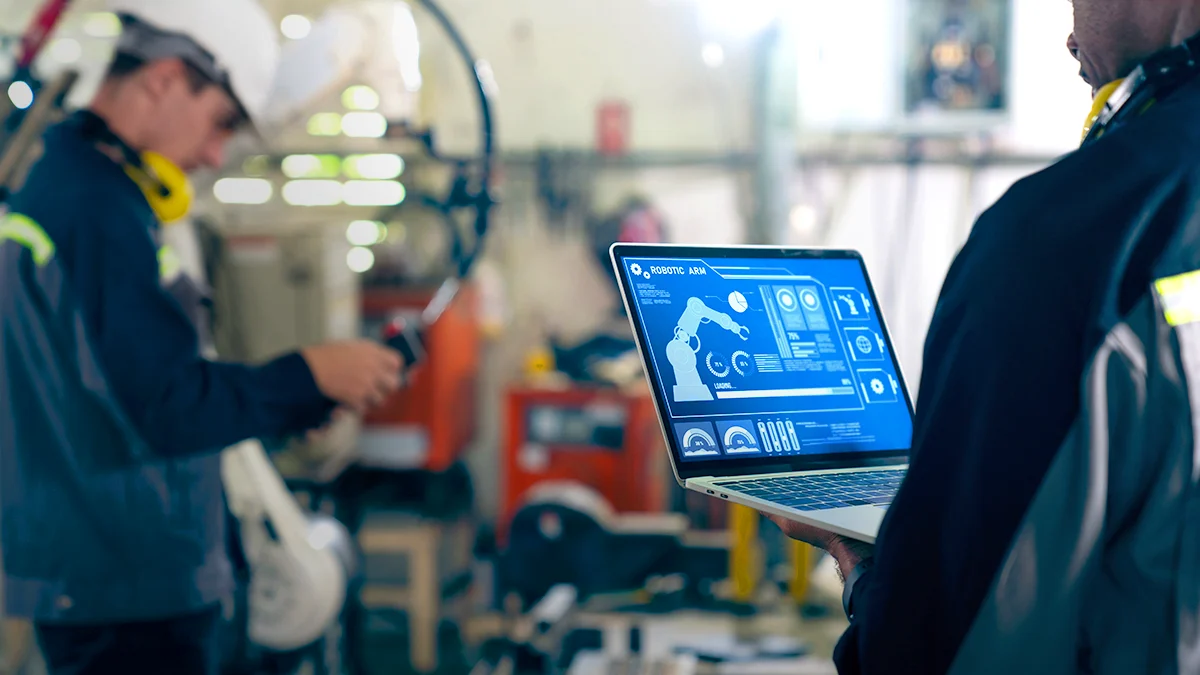
Choosing the right OEE (Overall Equipment Efficiency) system is crucial for optimizing production performance. In this article, we highlight the key factors to consider when selecting an OEE system to effectively monitor machine efficiency, minimize downtime, and improve production quality. Learn how to choose a system that supports your factory’s growth and delivers real, measurable benefits.

In the fast-paced aviation and defense industry, one of our clients faced a key challenge: how to accelerate the adoption of modern technologies and maintain competitiveness. The solution? Implementing a Continuous Innovation Program as the foundation of a new business model. A crucial aspect of this program was the continuous testing of state-of-the-art technologies to bring increasingly innovative products to market.

A pharmaceutical company aimed to enhance its innovation by actively testing modern technologies. A key challenge was skillfully and effectively integrating technological innovations into the production area so that data could be collected and analyzed in real-time. The company wanted to show that it is in the „close peloton” of digitalization of production, thereby increasing its market competitiveness.
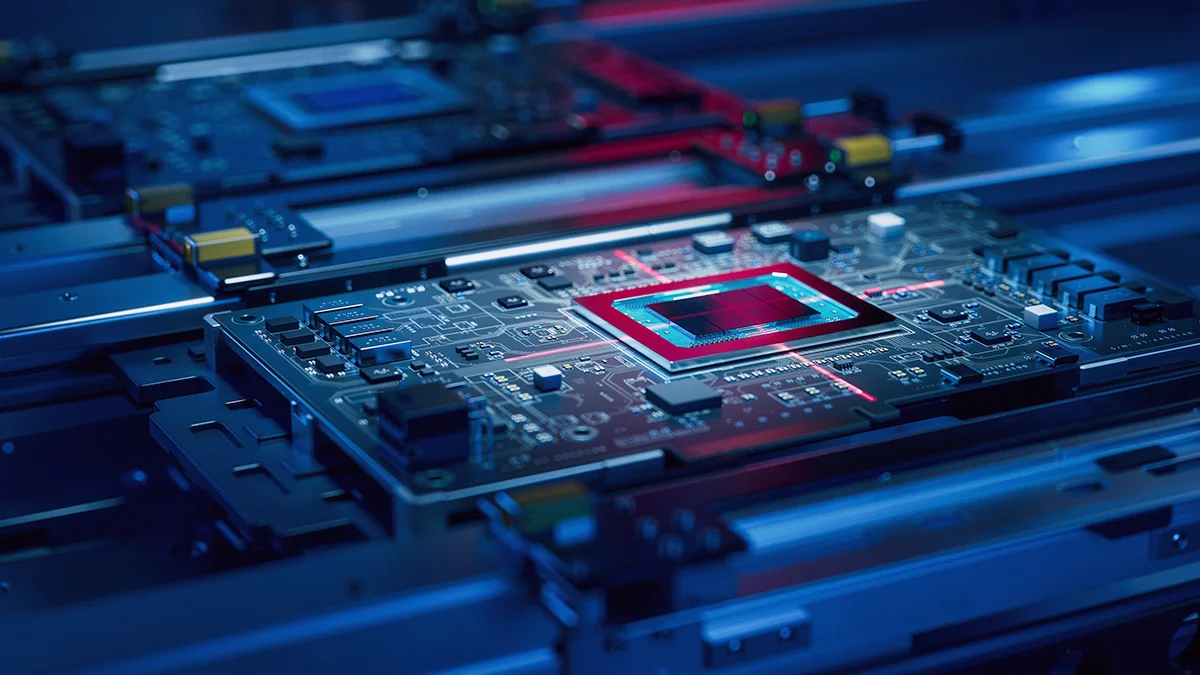
A company in the electronics industry specializing in semiconductor manufacturing set a major goal to make improvements that positively affect the quality of final products. A key element was to monitor and identify correlations that would predict the satisfactory quality of products coming off the production line. This was done using data from machines and quality control stations, which was then subjected to in-depth analysis. This enabled the company to better understand which factors affect the quality of their products.
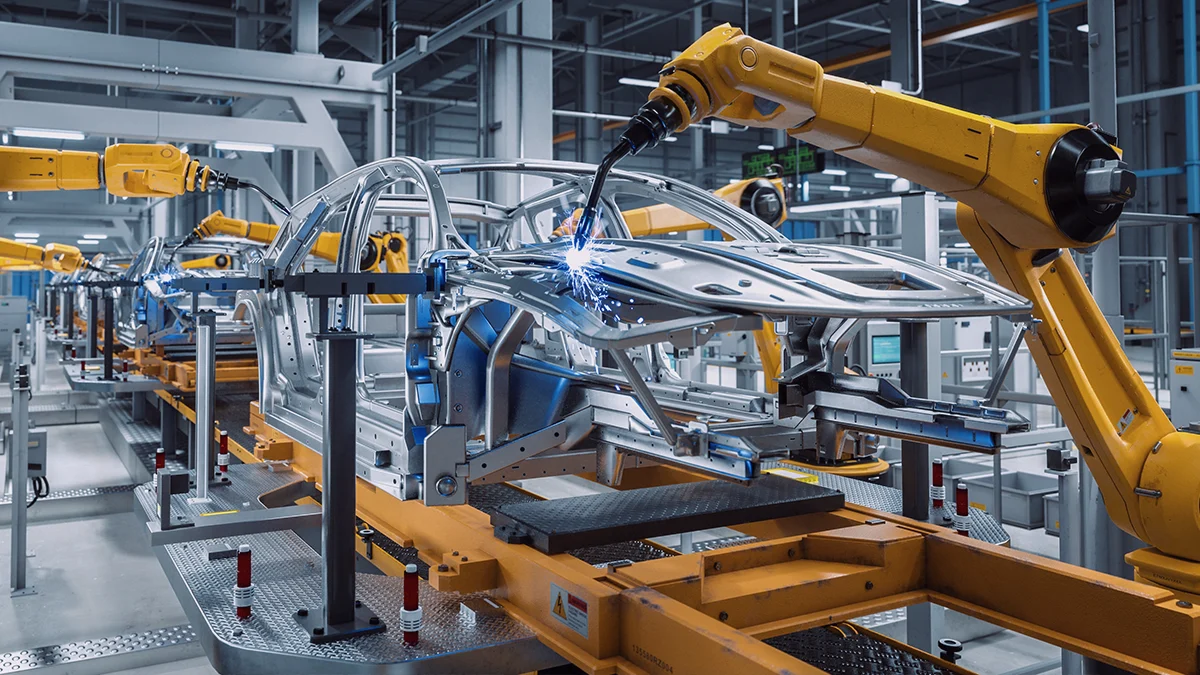
An automotive company needed a solution to monitor production to improve the quality of final products. The key element was identifying issues by analyzing quality data correlated with production data. Special attention was given to the casting and cooling zones, where product quality was particularly variable.