Digital Manufacturing

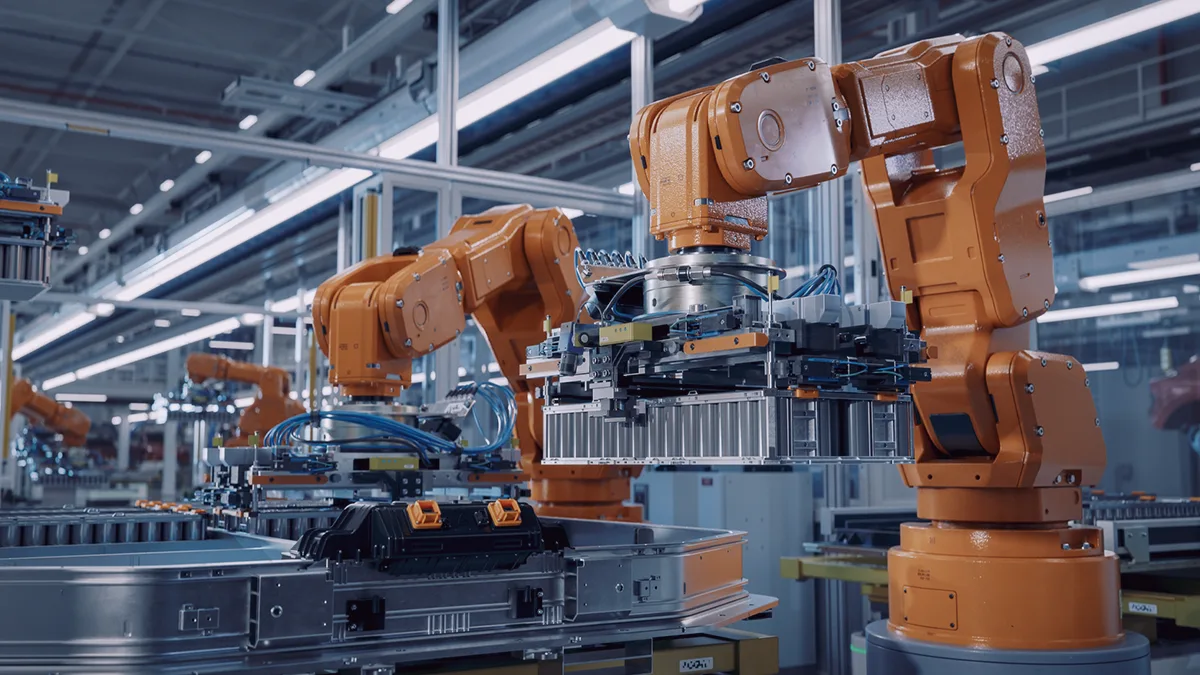
Lesson Learned Explained: Data visualization in components manufacturing for automatics

Lesson Learned Explained: Data visualization in components manufacturing for automatics

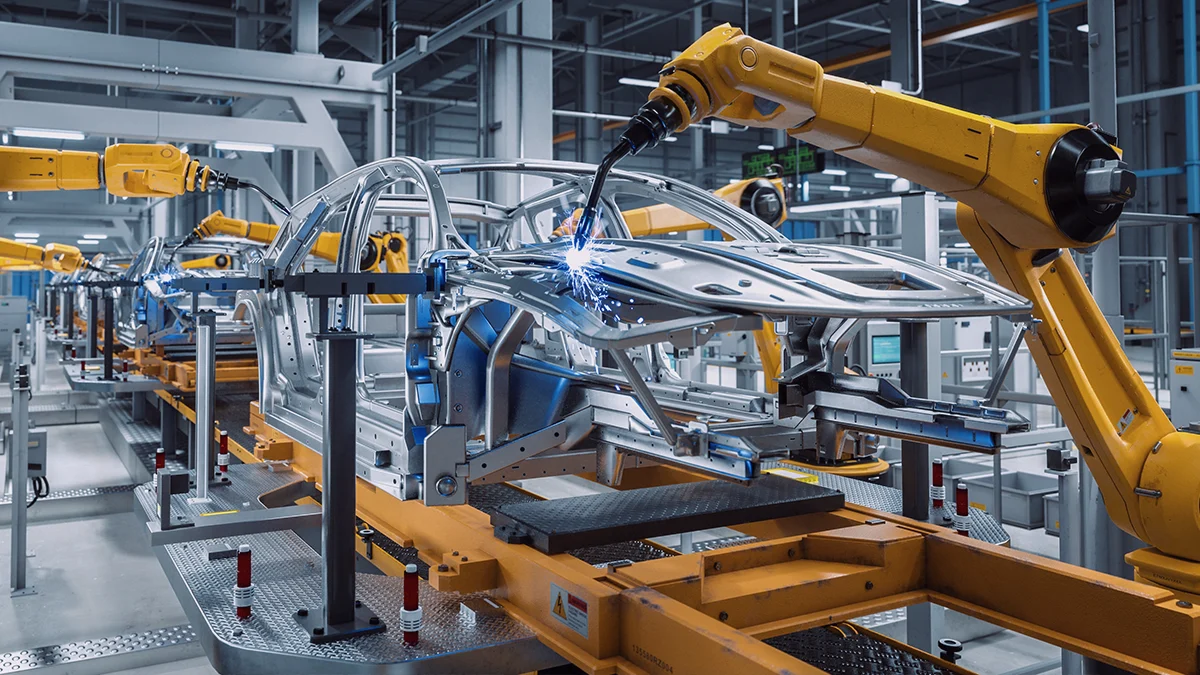
A global company in the electrical accessories manufacturing industry used in automation faced the challenge of improving key performance indicators (KPIs), particularly increasing the availability and efficiency of production cells. Each workstation involved multiple stages of assembly and production across various positions and locations, requiring a coordinated approach to managing work, materials, and proper planning.

Jakub Kaczyński
Jakub KaczyńskiIndustrial Portfolio Director
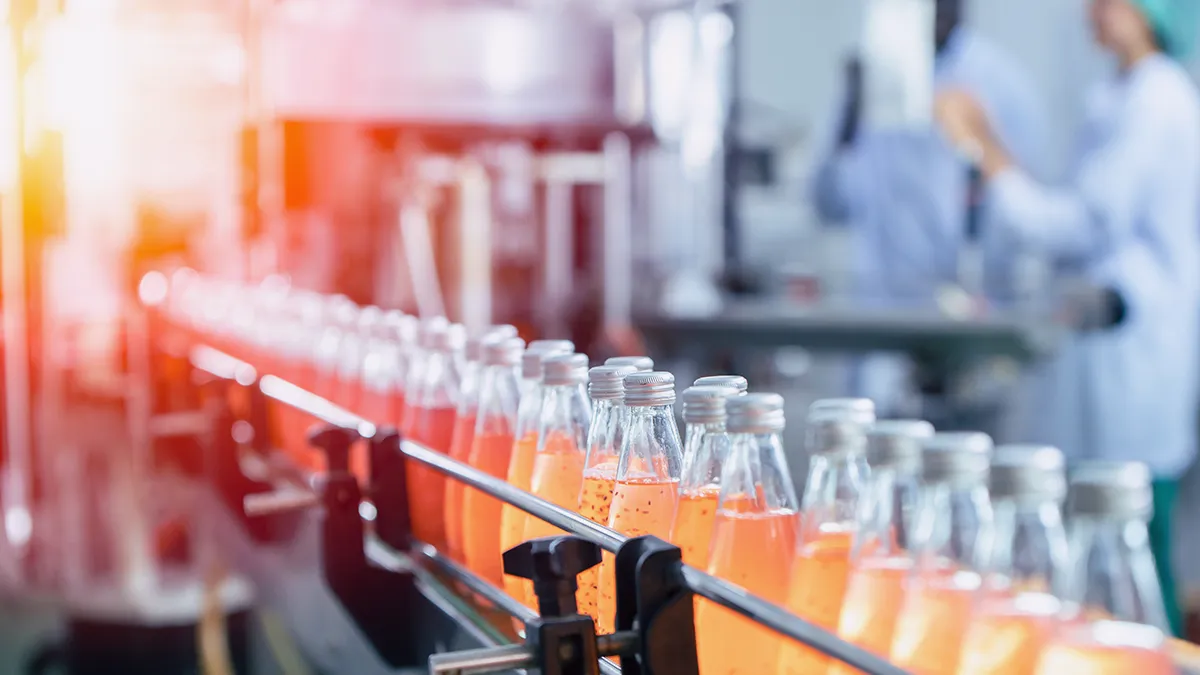
Lesson Learned Explained: Improving KPIs in the FMCG Industry through automation and data analysis on semi-automated production lines

Lesson Learned Explained: Improving KPIs in the FMCG Industry through automation and data analysis on semi-automated production lines

Introduction In the highly competitive food and beverage industry, achieving optimal Key Performance Indicators (KPIs) such as availability, performance, and quality is essential for maximizing operational efficiency and profitability. A client operating semi-automated production lines was experiencing persistent underperformance in these KPIs. To address this issue, the company required a robust and precise data-driven approach […]

Jakub Kaczyński
Jakub KaczyńskiIndustrial Portfolio Director
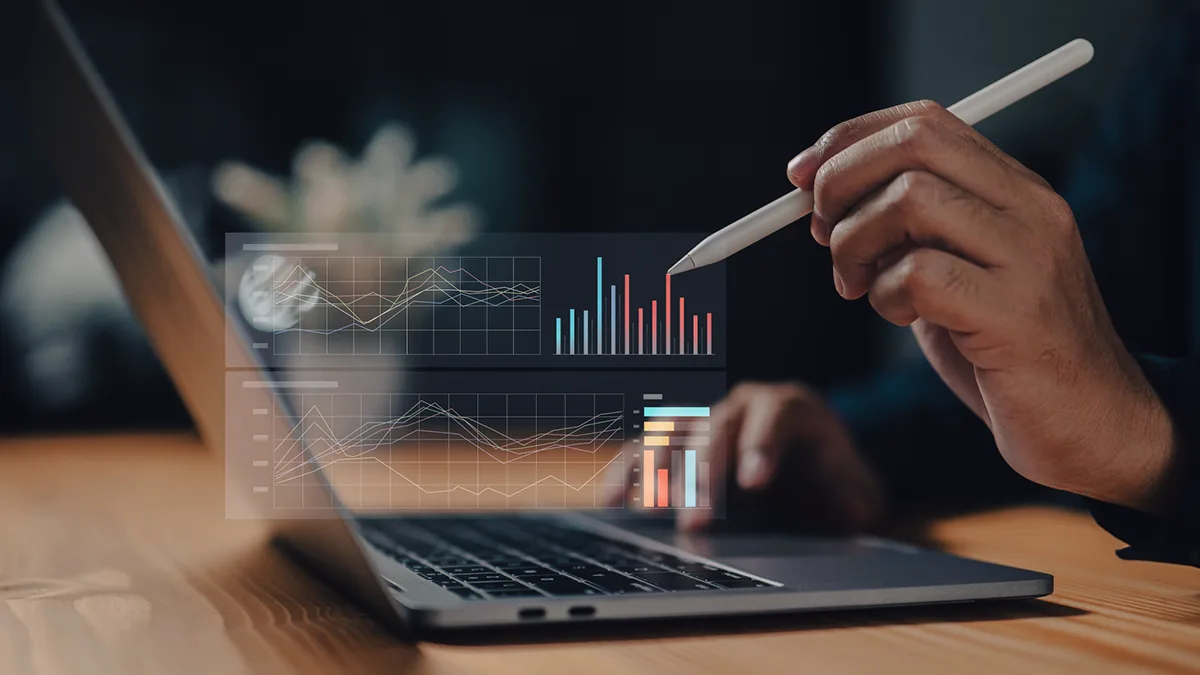
Top 5 tips for 'Real-Time Analytics’

Top 5 tips for 'Real-Time Analytics’

Real-time analytics can revolutionize decision-making providing immediate valuable insights to drive strategic actions. From optimizing timing for analytics to fostering seamless data sharing across organizational boundaries, uncover the key strategies for success in leveraging real-time insights. Don’t miss out on unlocking the potential of real-time analytics to streamline operations and gain a competitive advantage. Introduction […]

Jacek Gralak
Jacek GralakPortfolio Director
5 steps to increase energy efficiency for Manufacturers

5 steps to increase energy efficiency for Manufacturers

According to the German Federal Statistical Office, energy consumption by the industry for the production of goods hardly changed between 1995 and 2019. In 2019, it amounted to 3,874 petajoules. This means that it remains at the same level as in previous years. Germany plans to halve its primary consumption of energy by 2050, with the industry having to take part. In the era of the energy crisis, the drive to improve corporate energy efficiency is entering a new level.

Tobias Lante
Tobias LanteSenior Business Analyst
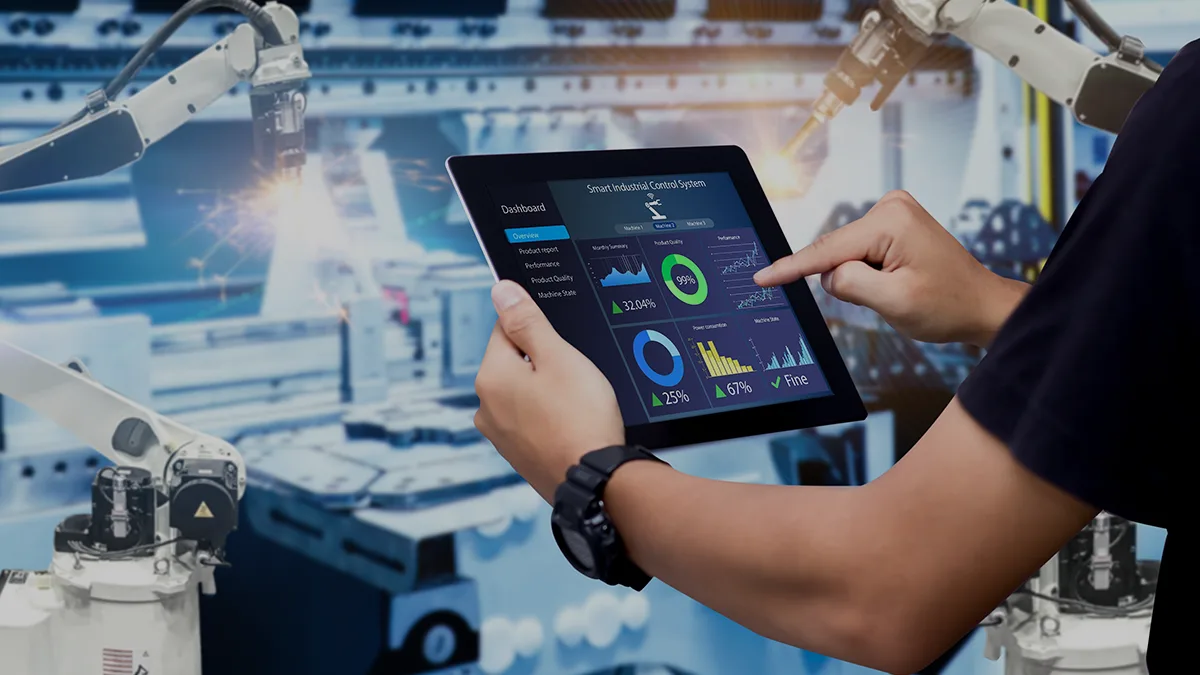
7 ways how data visibility helps manufacturing improve efficiency

7 ways how data visibility helps manufacturing improve efficiency

In the manufacturing industry, efficiency is key to staying competitive and profitable. One way to improve efficiency is through data visibility. By having access to real-time visibility of the operational data throughout the manufacturing process, companies can identify bottlenecks, monitor production lines, and make data-driven decisions. In this article, we’ll explore how data visibility can help manufacturing companies improve their efficiency and ultimately their bottom line.

Rafał Kacprzyk
Rafał KacprzykPrincipal IIoT Specialist