Internet of Things

High Availability in IoT applications

High Availability in IoT applications

Modern web applications that serve data and content to millions of users run in clustered environments. Dealing with a huge amount of connections at the same time requires many resources. That resources are CPU time and RAM. Each and every connection produces an additional load on the server. Having just one server would require a vast amount of resources and we already know that Moore’s Law is no longer valid. That said we need multiple servers ready to respond to users’ requests. Web applications use HTTP(S) protocol which works in the request-response communication method. Upon user’s request, the server will prepare the response and send it back. Every response needs to be processed by the server and that’s the key factor in provisioning resources for the server – requests may be different, starting from simple static data like CSS or images to more demanding like requesting data from database, filtering or calculating certain data.

What’s new in ThingWorx 9.0?

What’s new in ThingWorx 9.0?

This year’s Liveworx, due to the global situation caused by the COVID-19 pandemic, has exceptionally been held only online. On the very first day it was announced that a new version of ThingWorx – the most popular platform maximizing the potential of the industrial Internet of Things – will be released for commercial use. According to the announcements of Joe Biron, CTO responsible for IoT technology at PTC, it is supposed to be faster, cheaper and more effective.

Machine Learning & ThingWorx vs COVID-19

Machine Learning & ThingWorx vs COVID-19

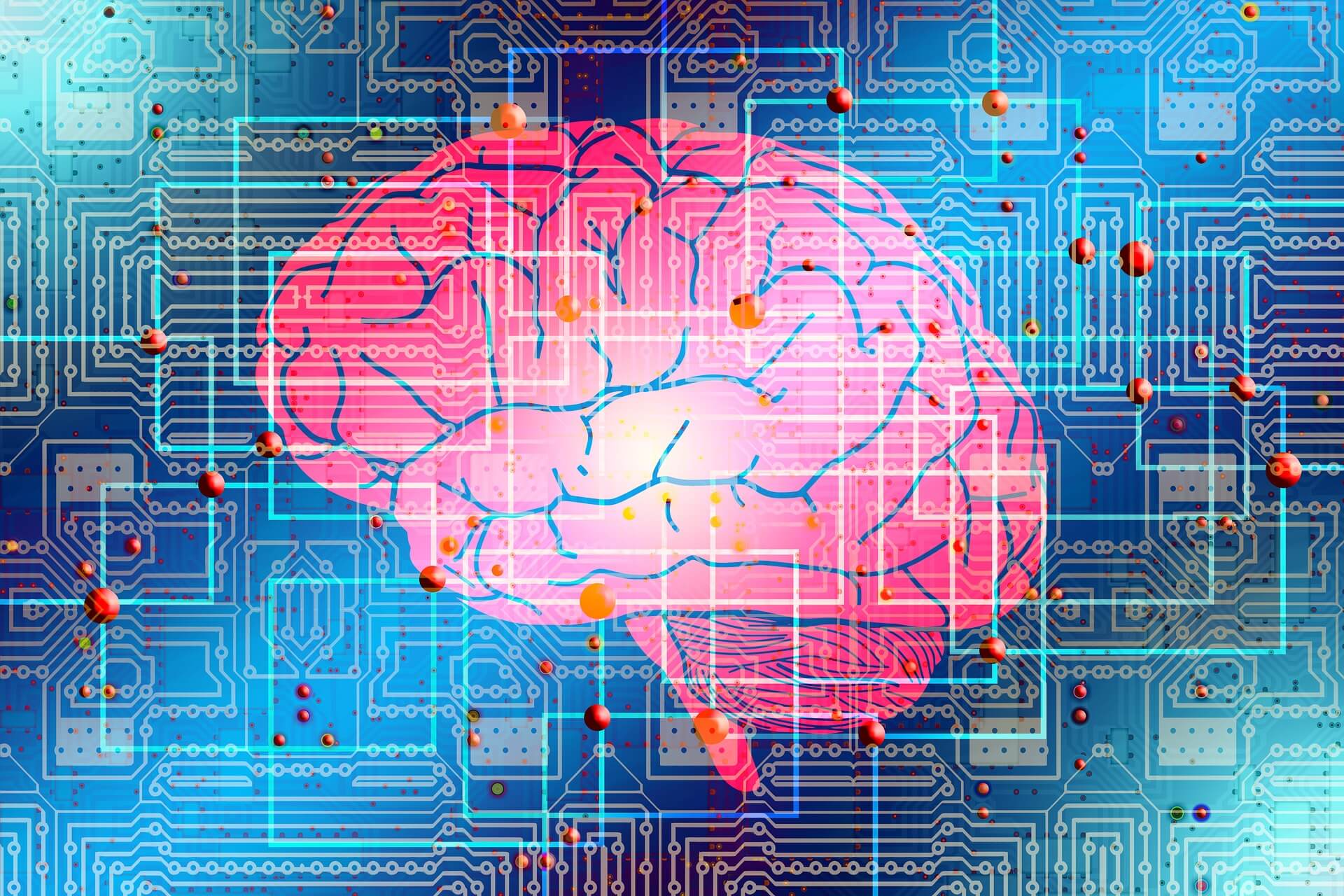
The evolution of artificial intelligence, as well as machine learning has gained momentum in the last few years. The constant drive to increase the computing power of computers has given the opportunity to use algorithms and mathematical apparatus created in the second half of the 20th century on an unprecedented scale. With the imminent arrival of a commercial quantum computer, we can slowly become afraid of scenes from the movies with Arnold Schwarzenegger as Terminator. However, without going too far into the future, and focusing on the present, I decided to check the possibilities offered by the technology available today and whether it can be used to predict the spread of COVID-19 disease.