Predictive Quality Analytics for Manufacturing

Moving to the next generation of quality and process control with AI

What is Predictive Quality Analytics?

Person typing on a laptop with overlaid charts and data visualizations – representing data analysis and predictive analytics

Predictive quality analytics identifies and diagnoses quality problems before they appear in the finished product, by analysing process parameters in real time. In deployments within ourIndustry 4.0 solutions for manufacturing, quality error risk is predicted with over 85% accuracy, lowering defect and repair rates by 8-12%.

Unlike classic SPC (Statistical Process Control), which relies on fixed control limits set in advance, the solution applies dynamic quality control limits in real time to specific signals. Limits adapt to the current process context, so slow drifts and subtle deviations are caught before they turn into defects, without the false alarms of static thresholds.
Experience predictive quality analytics in manufacturing with our intelligent machine learning and AI-powered solution.

Challenges

Unstable product quality
Quality varies from batch to batch even though machines, materials and settings look the same on paper. Without parameter-level analysis, the causes of this variability stay invisible until the final inspection.
Bottlenecks in production
Quality problems detected late force rework, re-inspection and unplanned stops that pile up at the most loaded points of the line. Each late catch costs more capacity than an early one.
Customer dissatisfaction
Defects that slip through final inspection reach the customer as complaints, returns and lost repeat orders. Reactive quality control finds them after shipping, when the damage is already done.
Costly warranty returns
Every defective unit that leaves the plant carries the full cost of logistics, repair or replacement, and claim handling. These costs multiply the further downstream the defect is found.
Loss of corporate reputation
In B2B manufacturing, a single quality escape can put audits, certifications and long-term contracts at risk. Rebuilding trust with an OEM customer takes far longer than preventing the defect would have.
1/
0

The Benefits of predictive quality analytics

With an entirely new way to look at data, TT PSC offers a unified solution that automatically collects, cleanses, enriches, and analyzes all production data, from start to finish, and solves analytics issues in your company.

Improving product quality
Identifying trends and patterns in data, allowing companies to make changes across their processes or materials to improve overall product quality.
Reducing warranty costs
Identifying and resolving potential problems before they occur, which can reduce warranty claims and save money.
Improving customer satisfaction
Detecting and preventing defects to improve the overall customer experience and increase customer satisfaction.
Reducing waste
Recognize where waste occurs. This allows organizations to take steps to reduce waste and improve efficiency.

Discover how predictive quality analytics will work for you!

Download materials with an overview of the entire process and discover what prerequisites you must have in place before starting a project and becoming data-driven organization.

Download now

Tablet content
Tablet frame

Predictive analytics is driving Industry 4.0

Thumbnail
Predictive analytics is driving Industry 4.0

Predictive quality analytics is available as part of our Industrial Analyticssolution. Meet with us and we will show you how it works on your data.

Features

Analyze manufacturing process

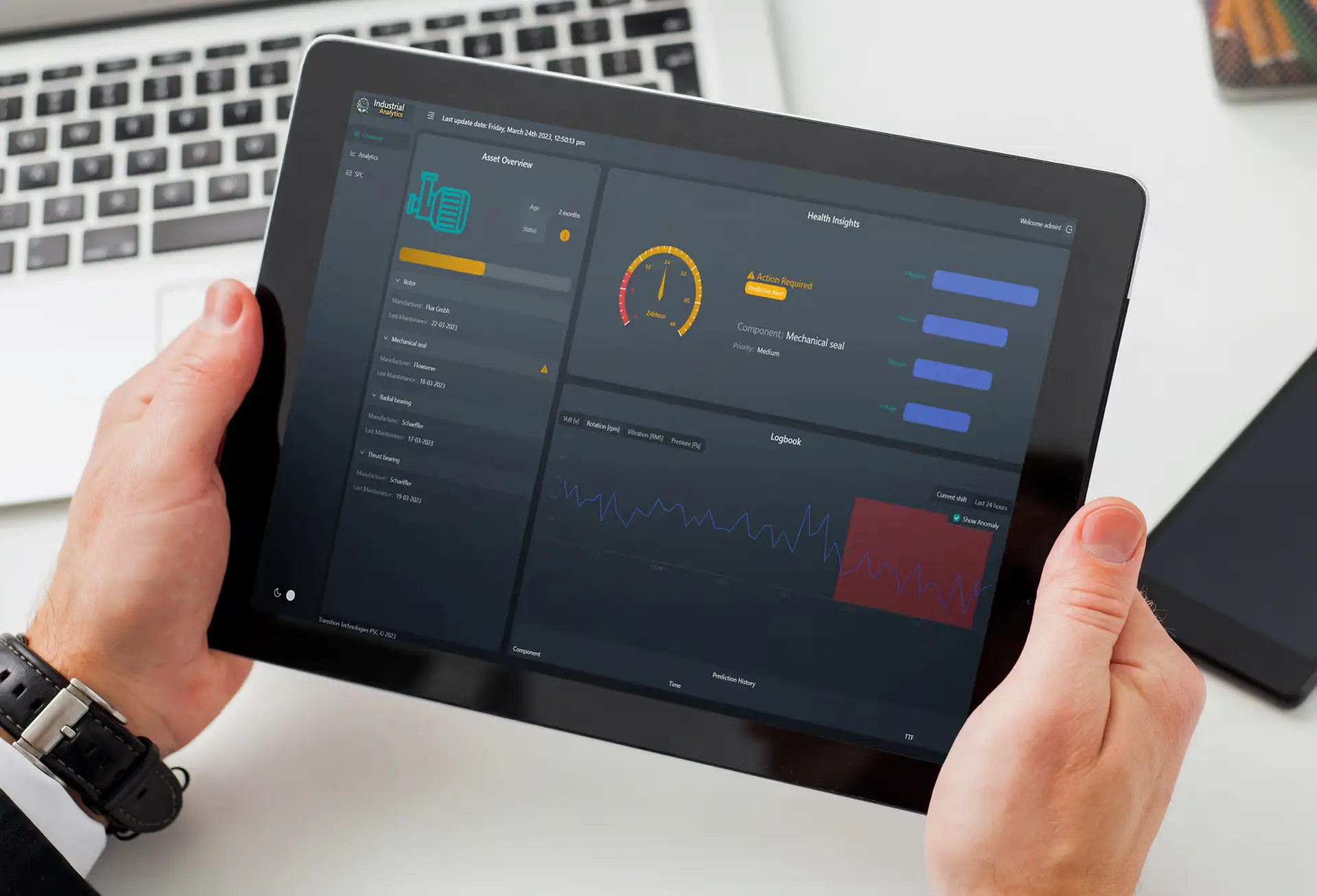
Analyse process data in real time to identify and diagnose quality issues before they become visible on the finished product. Every signal is evaluated as it is produced, not after the batch is complete.

Identification of quality issues

Constant monitoring of the production process flags deviations the moment they appear. Issues are identified at the parameter level, so root cause analysis starts with data, not guesswork.

Dynamic quality control limits

Control limits are calculated dynamically and applied in real time to specific signals, instead of the fixed thresholds of classic SPC (Statistical Process Control). Limits adapt to the current process context, which cuts false alarms and catches drifts SPC misses.

Quality prediction

Predict the quality outcome of a production batch while it is still running, based on live parameters and historical data. Batches at risk are flagged early enough to intervene before scrap is produced.

Recommendations

Get concrete recommendations on which parameters to adjust and by how much to maximise quality. Instead of raw analytics, operators receive actions they can apply on the line.
1/
0
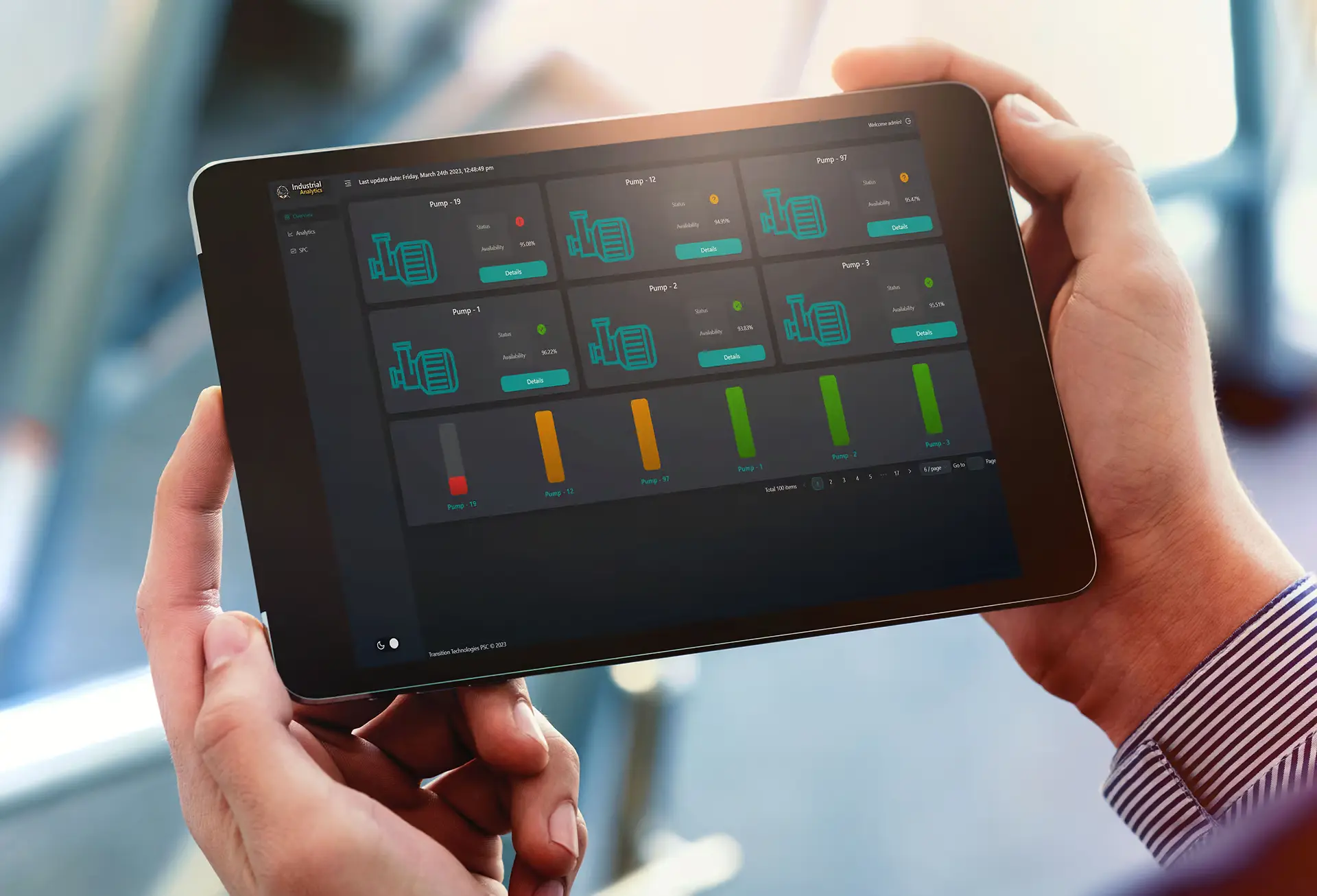
Predictive quality dashboards

Our partners

Microsoft
Google
AWS
PTC
Atlassian
Oracle
Realwear
Ab Initio
Github
Power BI
IBM
MR Tech

Related solutions

Anomaly Detection

Predictive Maintenance

Industrial Analytics

Production Monitoring with OEE

Reviews

Frequently asked questions

Predictive analytics for quality control identifies and diagnoses quality problems before they appear in the finished product. AI models analyse process parameters in real time, compare them against historical patterns and flag production batches at risk of quality errors while there is still time to intervene.

Success Stories